Subtotal ₹0.00 Subtotal: ₹0.00



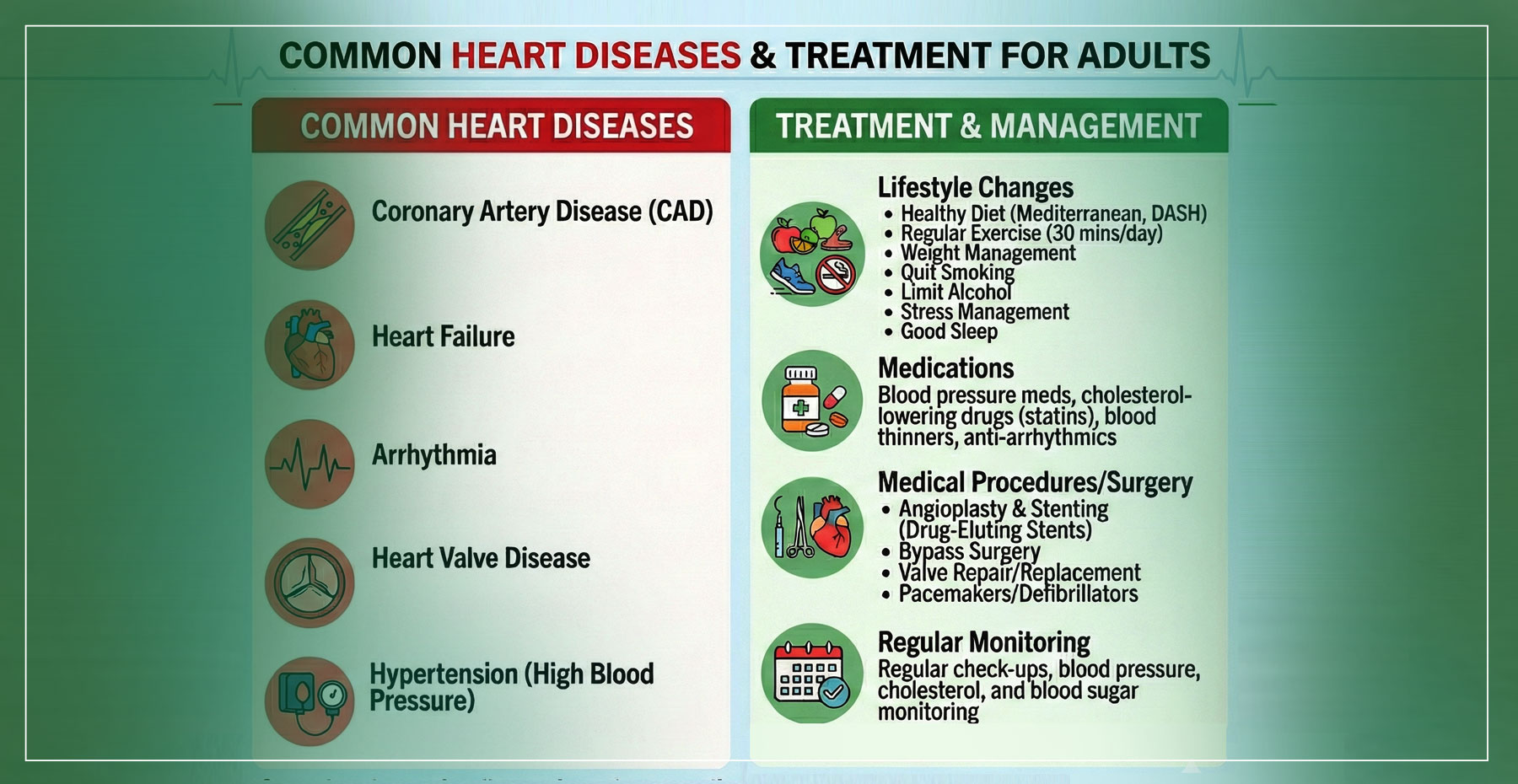
Table of Contents
Toggle‘A Cardiac Surgeon’s Guide to Common Heart Diseases and Treatment for Adults in Bangladesh’ from Dr. Arup Kumar Ghosh, Renowned Cardiac Surgeon in Narayana Hospital, Kolkata
Introduction
Heart disease is no longer a rare problem in our region. Every year, thousands of adults in Bangladesh are diagnosed with blocked arteries, valve disorders, heart failure, or rhythm problems. As a heart surgeon, I regularly treat numerous patients from both India and Bangladesh. I have seen how important it is for people to clearly understand their condition and the treatment options available to them.
In this guide, I will explain common cardiac disease and treatment in Bangladesh in simple terms so that patients and families can make informed decisions. From lifestyle-related coronary artery disease to structural heart defects that appear later in life, many adult heart problems can be treated successfully when diagnosed on time.
The role of a skilled cardiac surgeon in Bangladesh is becoming increasingly important as cardiac care facilities continue to grow across the country. With better diagnostic tools, modern operation theaters, and trained medical teams, treatment options today are far more advanced than they were even a decade ago.
As an adult cardiac surgeon in Kolkata, I believe awareness is the first step toward prevention and recovery. Through this blog, I hope to provide practical, clear, and trustworthy information that helps you understand your heart better and seek the right care at the right time. Whether you’re a patient, a caregiver, or someone trying to learn more about adult heart care, this guide will give you a practical and easy-to-understand overview.
Understanding Heart Disease in Bangladesh
Cardiovascular problems are a major public health concern in Bangladesh. Heart attacks, coronary artery disease, hypertension-related complications, and heart failure account for a significant cause of death. Data from recent health reports show that nearly one-fifth of all deaths in the country are due to heart-related conditions. The pace of heart disease is increasing due to lifestyle changes, tobacco use, poor diet, lack of physical activity, and rising diabetes and hypertension rates.
Not every patient in Bangladesh has easy access to advanced cardiac services. A large portion of heart treatment facilities, especially for complex cases, remains concentrated in Dhaka. Many rural areas have basic diagnostic services but lack full surgical teams or advanced care units.
Despite these gaps, there has been progress in diagnostic and surgical services across the country. Numerous public and private hospitals now offer heart care ranging from screening to major operations. Still, it’s important for patients to understand the types of heart conditions adults commonly experience and how they are treated.
Understanding Common Heart Conditions in Adults
Adults can develop a variety of heart problems over time. Below are the most common heart issues adults may face and how they are treated.
Coronary Artery Disease (CAD)
This condition occurs when the arteries that supply blood to the heart muscle become narrowed or blocked due to plaque buildup. Over time, this reduces blood flow to the heart and can lead to angina (chest pain), heart attacks, or heart failure.
Symptoms:
- Chest discomfort or pressure
- Shortness of breath
- Fatigue
- Pain in arms, jaw, neck, or back
Treatment:
Treatment begins with lifestyle changes and medications to control risk factors. For severe blockages, procedures may be necessary:
- Angioplasty and stenting: A minimally invasive procedure where a small balloon and stent open the blocked artery.
- Coronary artery bypass grafting (CABG): A surgical procedure that uses blood vessels from another part of the body to bypass blocked arteries.
In Bangladesh, angioplasty and CABG are performed in many cardiac centers, though access and waiting times can vary widely, especially outside major cities.
Heart Valve Disease
Heart valves control the direction of blood flow in the heart. When a valve doesn’t open fully (stenosis) or leaks (regurgitation), the heart must work harder to pump blood.
Symptoms:
- Fatigue
- Irregular heartbeat
- Swelling in legs or abdomen
- Shortness of breath
Treatment:
Valvular disease is treated with:
- Valve repair: A surgeon repairs the existing valve structure.
- Valve replacement: The damaged valve is replaced with a mechanical or biological valve.
In some advanced centers, minimally invasive techniques are also used, which may shorten recovery time.
Heart Failure
Heart failure means the heart cannot pump blood efficiently. It can result from long-standing high blood pressure, past heart attacks, or other conditions that weaken the heart.
Symptoms:
- Difficulty breathing during activity or at rest
- Persistent cough or wheezing
- Swelling in ankles and feet
- Fatigue
Treatment:
Heart failure is managed with medications that reduce workload on the heart and improve symptoms, such as ACE inhibitors and diuretics. In severe cases, specialized procedures or devices like pacemakers and defibrillators may be recommended.
Arrhythmias (Irregular Heartbeat)
Arrhythmias occur when the heart rhythm becomes too fast, too slow, or irregular. Some are harmless, but others can be life-threatening.
Symptoms:
- Palpitations
- Dizziness or fainting
- Breathlessness
Treatment:
Treatment may include medications, cardioversion (resetting the heart rhythm), implantable devices like pacemakers, or catheter ablation, where problematic electrical pathways are destroyed.
Adult Congenital Heart Disease
Some adults have heart defects they were born with, such as holes in the heart (atrial or ventricular septal defects) or abnormalities in heart structure that were not fixed in childhood. These often require specialized care.
Common adult congenital repairs include closure of septal defects or correction of structural anomalies. Each case is unique, and long-term follow-up is essential.
Aortic Aneurysm and Aortic Dissection
The aorta is the body’s largest artery, and when it becomes abnormally enlarged (aneurysm) or its inner wall tears (dissection), it becomes a surgical emergency. These conditions are more common in patients with uncontrolled hypertension and connective tissue disorders.
How Heart Conditions are Diagnosed
Diagnosis starts with a detailed medical history and physical exam. Your doctor may recommend tests such as:
- Electrocardiogram (ECG): Measures electrical activity of the heart.
- Echocardiography: Uses ultrasound to visualize heart structure and function.
- Stress testing: Evaluates heart activity during exercise.
- Cardiac catheterization: Checks blood flow and pressures inside the heart.
These tools help determine the nature and severity of disease so that the most appropriate treatment plan can be developed.
What are the available treatment options in Bangladesh?
In Bangladesh, cardiac care services have expanded significantly in the last few decades. The National Institute of Cardiovascular Diseases (NICVD) in Dhaka was established in 1978 and is one of the primary institutions for heart surgery and care in the country.
Both public and private hospitals now offer procedures ranging from angioplasty to open-heart surgery. However, the majority of advanced surgical services are available in larger cities, especially Dhaka. This means patients from smaller towns often travel to the capital for complex treatments.
Bangladesh now has dozens of cardiac care units and surgery centres, and cardiac specialists are trained to handle a wide range of procedures. Still, access to advanced care remains uneven across regions.
Choosing the Right Cardiac Surgeon
A Cardiac Surgeon in Bangladesh plays a crucial role in diagnosing and treating serious heart conditions. When considering surgical care, it’s important to seek a surgeon with the right training, experience, and patient outcomes record.
Look for:
- Proven experience in the specific procedure you need.
- A strong support team, including trained cardiac anesthesiologists and intensive care staff.
- A center with modern diagnostic and monitoring equipment.
Consultations with experienced specialists will help you understand the risks, benefits, and recovery expectations before any major procedure.
Post-Treatment Care and Lifestyle Changes
Heart surgery or intervention is only part of the journey. Long-term success depends on lifestyle changes and medical follow-up:
- Healthy diet: Low in salt, processed foods, and unhealthy fats.
- Regular exercise: As advised by your doctor.
- Quit tobacco: Smoking greatly increases risk of heart problems.
- Control risk factors: Maintain healthy blood pressure, blood sugar, and cholesterol levels.
Cardiac rehabilitation programs, where available, can help patients recover physically and emotionally after surgery.
Why do many patients from Bangladesh come to India, especially Kolkata, for heart treatment?
Some people in Bangladesh still prefer to travel in India, especially Kolkata, for certain cardiac procedures. One major reason is access to highly specialized care. Kolkata has many well-established heart hospitals with experienced doctors. Some complex heart conditions require advanced surgical techniques, hybrid procedures, or specialized devices that may not be easily available in every center. Patients often feel confident when they know the medical team has strong experience. Some advanced treatments and specialized devices may not be easily available in every hospital in Bangladesh. For complicated cases, patients may prefer a center that offers a wide range of options under one roof.
Another important factor is shorter waiting time. In serious heart conditions, especially blocked arteries or severe valve disease, early surgery can reduce risk and improve outcomes. Many patients feel reassured when they can schedule treatment quickly without long delays.
Language and cultural comfort also play a role. Patients from Bangladesh often find Kolkata familiar in terms of language, food, and overall environment. This makes communication easier during consultation, hospital stay, and follow-up.
Cost transparency is another reason. While treatment abroad can be expensive in some countries, cardiac surgery in Kolkata is often considered cost-effective compared to many Western nations yet still offers modern facilities and structured post-operative care.
Conclusion
Heart disease in adults is common, but it doesn’t mean it’s untreatable. Common Cardiac Disease and Treatment in Bangladesh covers a wide range of conditions, and with the right approach, many lives can be improved or saved.
Whether it’s coronary artery disease, valve problems, heart failure, arrhythmias, or adult congenital issues, timely diagnosis and treatment are key. Advances in surgical care, the dedication of Cardiac Surgeon in Bangladesh, and expanding services across the country offer real hope for patients.
As an Adult Cardiac Surgeon in Kolkata, I encourage anyone with heart disease symptoms to seek early evaluation. Heart care is not just about surgery. It’s about understanding your health, making smart choices, and building a long-term plan that keeps you active and well.
If you need help understanding specific procedures or how to prepare for heart surgery in Bangladesh or here in India, feel free to reach out.
FAQs on common heart diseases and treatment for adults
What are the most common heart diseases seen in adults in Bangladesh?
The most common conditions include coronary artery disease (blocked arteries), heart valve disease, heart failure, arrhythmias (irregular heartbeat), and untreated congenital heart defects diagnosed later in life. Lifestyle factors such as smoking, diabetes, high blood pressure, and high cholesterol play a major role.
What are the early warning signs of heart disease?
Common symptoms include chest pain or pressure, shortness of breath, unusual fatigue, swelling in the legs, palpitations, and dizziness. Some people may not notice clear symptoms, especially in early stages. Regular health check-ups are important, especially if you have risk factors.
How is heart disease diagnosed?
Doctors usually begin with a physical examination and medical history. Tests may include ECG, echocardiography, stress tests, blood tests, and coronary angiography. These help determine the exact problem and guide treatment decisions.
Is heart surgery always required for blocked arteries?
Not always. Some patients can be treated with medicines and lifestyle changes. Others may need angioplasty with stenting. In more severe cases, bypass surgery (CABG) may be recommended. The decision depends on the severity and location of the blockage.
What treatment options are available for valve disease in Bangladesh?
Treatment may include medications, valve repair surgery, or valve replacement with mechanical or biological valves. Many cardiac centres in Bangladesh now offer open-heart valve surgery, and some also provide minimally invasive options.
How safe is heart surgery in Bangladesh?
Cardiac surgery has become much safer over the years due to improved technology, better training, and experienced surgical teams. Outcomes depend on the patient’s overall health, the type of surgery, and the hospital’s facilities.
What is the recovery time after heart surgery?
Recovery varies from person to person. Most patients stay in the hospital for about 5 to 7 days after bypass or valve surgery. Full recovery usually takes 6 to 12 weeks, depending on age, health condition, and adherence to medical advice.
Can adults have congenital heart defects?
Yes. Some congenital defects may remain undetected during childhood and are diagnosed later in adulthood. These can often be treated successfully with surgery or catheter-based procedures, depending on the condition.
How important is lifestyle change after treatment?
Lifestyle change is extremely important. Surgery or procedures fix the immediate problem, but long-term success depends on healthy eating, regular exercise, quitting smoking, controlling diabetes and blood pressure, and taking prescribed medicines regularly.
When should I consult a cardiac surgeon?
You should consult a cardiac surgeon if your cardiologist recommends surgical evaluation, or if you have severe symptoms such as persistent chest pain, breathlessness, fainting, or diagnosed structural heart disease. Early consultation can prevent complications.
Is it necessary to travel abroad for heart treatment?
Not always. Bangladesh has developed many cardiac care facilities. However, some patients may choose treatment abroad depending on the complexity of the case, availability of advanced procedures, or personal preference.
How can I reduce my risk of developing heart disease?
Maintain a balanced diet, exercise regularly, avoid tobacco, manage stress, control blood sugar and blood pressure, and get routine health screenings. Prevention is always better than treatment.
Disclaimer: This article is for informational purposes only and does not constitute medical advice. Always consult with a qualified cardiac specialist for diagnosis and treatment related to your personal health condition.
Follow Dr. Arup Kumar Ghosh on Facebook & Youtube for regular updates.
Read Also:
- Available Modern Heart Surgery Treatment in Agartala, Tripura in 2026
- Why Patients Prefer Kolkata for Complex Aortic Valve Surgeries
- How Advanced Cardiac Surgery is Transforming Healthcare in Bihar 2026
- When Should You Consult a Cardiothoracic Surgeon in Kolkata
- Top Adult Cardiac Surgeons in Kolkata for Advanced Heart Care in 2025
- How to Find the Right Cardiac Surgeons in Kolkata – A Complete Patient’s Guide
- Top Surgeons for Valve Replacement in Kolkata You Can Trust
- Best Aortic Surgeons in Kolkata in 2025 for Complex Heart Procedures
- Aortic Valve Replacement in Small Annulus in 2025: Advanced Solutions in Kolkata
- Renowned Cardiac Surgeons in Bangladesh in 2025-You Should Know About
- Renowned Cardiac Surgeons in Tripura: Your Guide to Heart Care
- Renowned Cardiac Surgeons in Bihar: Who are saving lives every day
- Cardiac Surgeon Vs. Cardiologist: A Simple Guide for Everyone

Comments are closed